For the properties of the South Jersey coast, June is more than just the start of summer; it is the moment that dormant homes are reawakened by the families who have loved them for generations. These estates are often “forever homes,” and their maintenance requires more than a simple checklist—it requires a philosophy of stewardship. As we enter the high-heat months, the focus shifts toward protecting the structural integrity and interior heritage of these significant residences.
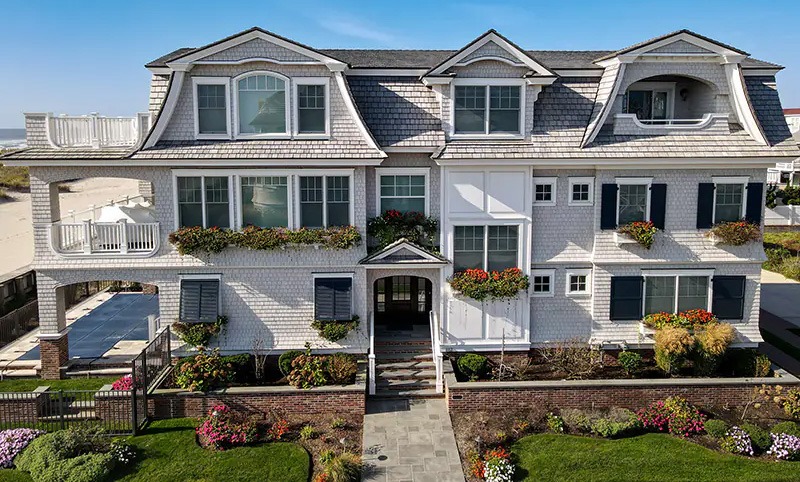
Protecting the Coastal Exterior
A thorough pre-season inspection should focus on identifying early signs of deterioration, moisture intrusion, and structural vulnerability before peak summer occupancy and storm season arrive. Even minor exterior failures can allow water and salt air to penetrate deep into the home, leading to costly long-term damage if left unaddressed.
Effective stewardship is rooted in “invisible” maintenance – proactive repairs and preventative measures that preserve the architectural integrity of the home while incorporating modern materials and technologies built for long-term coastal durability.
Infrastructure Under Pressure: Preparing for the Family Reunion
June is typically the month when a quiet property transitions to a full house. A space that functions perfectly for a single family may face “infrastructure shock” when multiple generations arrive for the season. After a day of making memories on the beach or at the pool, family members return to back-to-back showers, multiple running faucets, and concurrent loads of laundry. Hot water heaters may be challenged by the increased needs. Plumbing systems optimized for a quiet couple will be unable to handle this sudden volumetric spike. Water pressure can drop to a trickle on upper floors as the main supply line is overwhelmed. Simultaneously, the main sewer lateral faces a massive surge of water and organic debris, causing slow drains or backing up fixtures in lower-level guest suites if the line has minor roots or sand buildup. With modern electronics and professional-grade outdoor kitchen appliances, electrical panels often work at near-capacity.
It is important to verify that the system is balanced and that all surge protection is active to guard against the summer storms that roll in later in the season. Stress-tests can be conducted on high-capacity water heaters and multi-zone cooling systems before the home reaches maximum occupancy. Ensuring the property’s mechanical “heart” can handle the peak demand of a holiday weekend is the difference between a seamless gathering and an emergency repair.
The Indoor Climate: Protecting Fine Heirlooms and Millwork
The Quiet Peace of Mind
For trusted South Jersey property management services, contact our team.
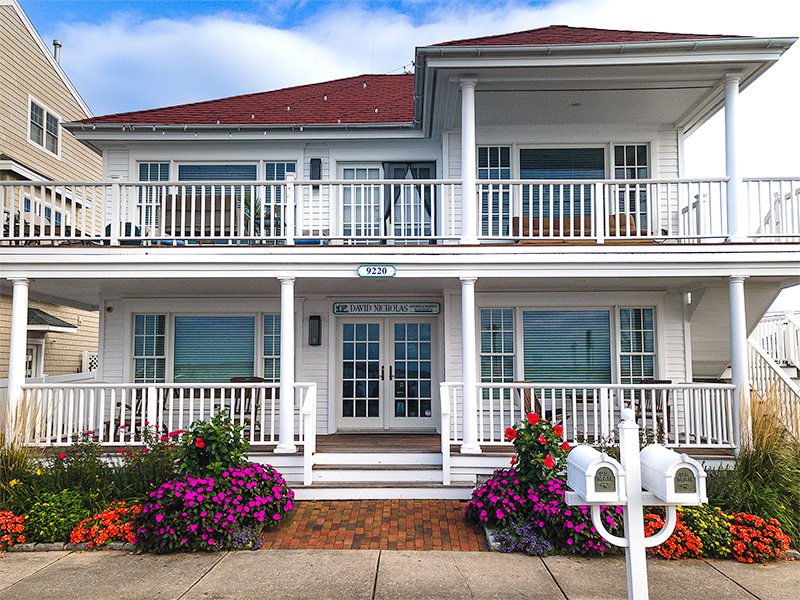
Our office in Margate City, NJ
David Nicholas Building & Property Maintenance is a full-service building and property maintenance company with more than 25 years of experience protecting, preserving, and caring for properties throughout the South Jersey coastal area. The team can be reached at (609) 823-8228 or email office@dnbm.org.