The Jersey shore has wrapped up another summer season.
By David Nicholas Building & Property Maintenance
Lingering seasonal residents retreat to the mainland, and year-rounders are leaving their beach chairs at home to bundle up for chilly boardwalk strolls. The curtains have come down on Cape May’s Movies on the Beach series, and the Avalon Seawatch is seeing its last migratory birds head south. As community activities, visiting wildlife, and luxury shore homeowners become less active at the shore, coastal investments remain to face the elements alone. For high-end properties, the transition into winter is not just a change in weather—it is a compounding mechanical trial that demands a proactive defense strategy. A local presence to monitor the property in addition to a thorough winterization plan is the key to successful long term shore asset management.

Remote Ownership Risks
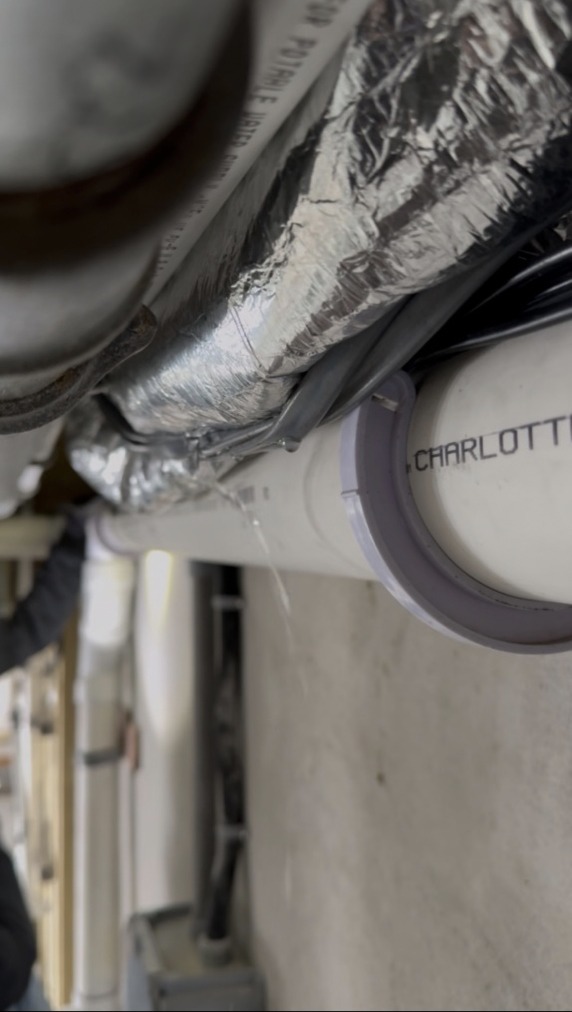
Technology has allowed for significant improvements in home security; but there’s ample limits to its ability to diagnose and respond when natural elements push a property’s limits. Neighbors and nearby family can check in, but ideally a licensed property management company is best suited to help ease the mental burden of remote home ownership. High-end properties left unoccupied face catastrophic water line ruptures within two days of a deep regional freeze if indoor temperatures collapse. Multi-zone heating systems must be actively monitored and calibrated to a uniform minimum of 55°F. Keeping all zones active prevents localized freezing pockets in distant, unmonitored wings or hidden wall cavities. Elevated shore home architectures leave main water lines running through exposed crawlspaces. Smart flood vents left open create freezing wind tunnels; vents must be secured during deep freezes to eliminate sub-zero drafts across unshielded plumbing. Integrating cellular-backed low-temperature sensors and automatic main water flow-monitors can stabilize the internal climate from afar, but a presence in person is always best to catch and avoid costly repairs.
Marine-Environment Chimney and Hearth Logistics
Before leaving for the season, essential winterization processes must be implemented. Specifically, winter temperature fluctuation necessitates seasonal inspections and repairs of masonry. Wind-driven salt spray gets trapped inside porous brick, mortar, and concrete flue structures during the year. Sub-zero winter temperatures trigger rapid freeze-thaw cycles, causing moisture to expand, cracking masonry joints, and opening cold-air paths into the home. Biochemical creosote corrosion is another risk to be wary of. The chemical combination of wood soot, carbon creosote, and highly saline ocean air forms an acidic, highly corrosive crust. This accumulation degrades standard clay liners and metal dampers, restricting airflow and creating severe mid-winter fire and carbon monoxide hazards. Utilizing certified professional chimney sweeps to mechanically clear soot and applying vapor-permeable water repellents to halt masonry spalling.
Coastal HVAC System Vulnerabilities
Seasonal HVAC maintenance is another main nonnegotiable process as temperatures drop. Onshore winter winds deposit a heavy salt crust across exterior aluminum condenser fins. This salt layer acts as an unintended thermal insulator, choking airflow and inducing rapid galvanic corrosion on heat exchanger coils. Unmaintained, salt-choked heat pumps lose heating efficiency prematurely during coastal freezes. Systems are forced to rely heavily on expensive auxiliary electric resistance strips, driving up utility bills and placing critical electrical strain on the system. The exceptionally high water tables of South Jersey barrier islands additionally put sub-surface geothermal loops at risk. Shifting coastal soils and groundwater temperature swings require precise calibration of antifreeze concentrations and loop pressures to prevent pipeline ruptures.
Bottom Line
As autumn transitions to winter, property defense priorities shift from the exterior structural envelope to internal mechanical stability. Barrier islands —from Longport and Margate down to Avalon, Sea Isle City, and Ocean City—face unique off-season threats compared to inland properties. Freezing maritime air, high local humidity, and airborne salinity create a slow, continuous strain on unmonitored luxury estates. A passive “shutdown” checklist is insufficient in properly maintaining these investments. An educated, technically precise winterization strategy is essential to preserve asset valuation. Proactive, local mechanical intervention and strong insurance policies are the only reliable ways to protect architectural finishes and preserve structural investments until spring.
David Nicholas Building & Property Maintenance is a full-service building and property maintenance company with more than 25 years of experience protecting, preserving, and caring for properties throughout the South Jersey coastal area. Nicholas is partnered with ECBM Insurance Group, a family-owned, independent insurance solutions brokerage with over 50 years of experience specializing in high-value asset protection and tailored insurance portfolios that are designed to shield luxury coastal estates from specialized environmental threats. The team can be reached at (609) 823-8228 or emailed at office@dnbm.org.
Originally published in the Local Lifestyles insert distributed with the Ocean City Sentinel and the Cape May Star and Wave.
For trusted South Jersey property management services, contact our team.
Our office in Margate City, NJ
David Nicholas Building & Property Maintenance is a full-service building and property maintenance company with more than 25 years of experience protecting, preserving, and caring for properties throughout the South Jersey coastal area. The team can be reached at (609) 823-8228 or email office@dnbm.org.