
Coastal Asset Preservation: A Strategic Defense Against Salt Air, Moisture & Wind
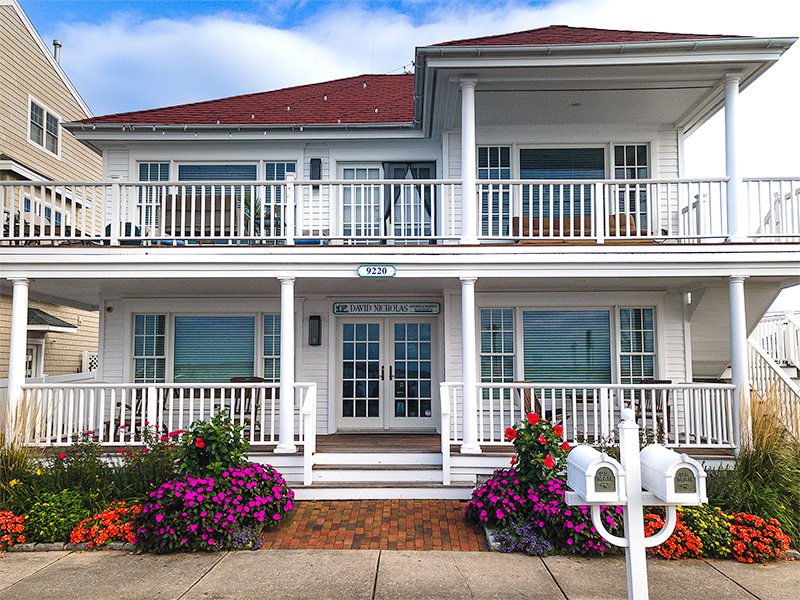
The Science Behind Coastal Air and Environmental Exposure
Salinity: A Constant Chemical Threat
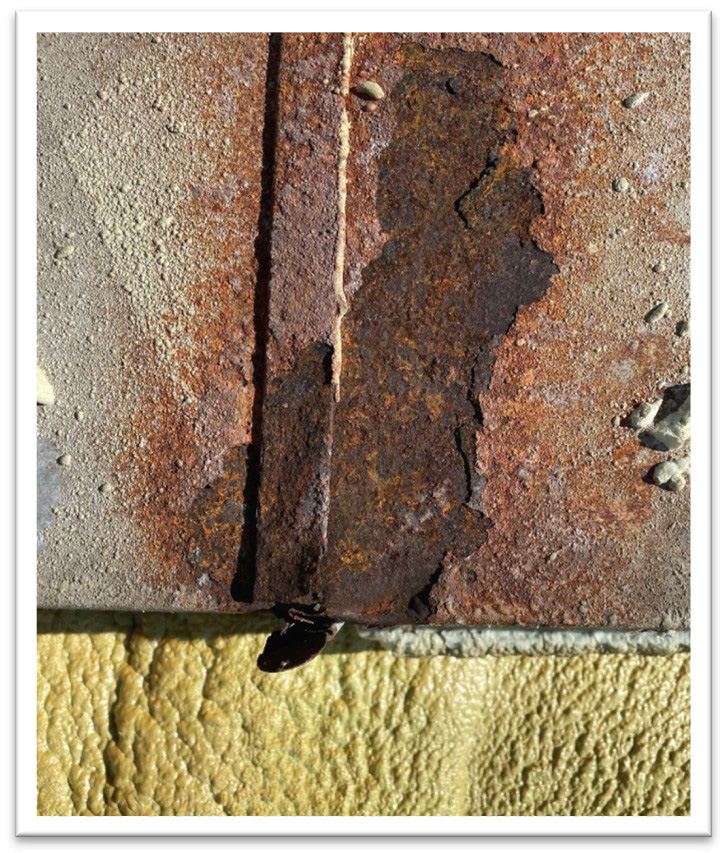
Airborne salt particles travel inland through ocean spray and wind, settling onto all exterior surfaces and infiltrating indoor spaces through cracks, vents, and HVAC systems. Once inside or on surfaces, salt accelerates corrosion and can cause chlorine-induced pitting when the protective passive film (usually chromium oxide) on stainless steel, aluminum, and other alloys is breached. Triggered by high chloride concentrations, low pH, and high temperatures, it creates small, often invisible pits that can rapidly cause full-penetration failures. Even minimal salt exposure, when continuous, becomes a significant driver of mechanical failure and material breakdown.
Moisture and Humidity: Fuel for Biological and Structural Damage
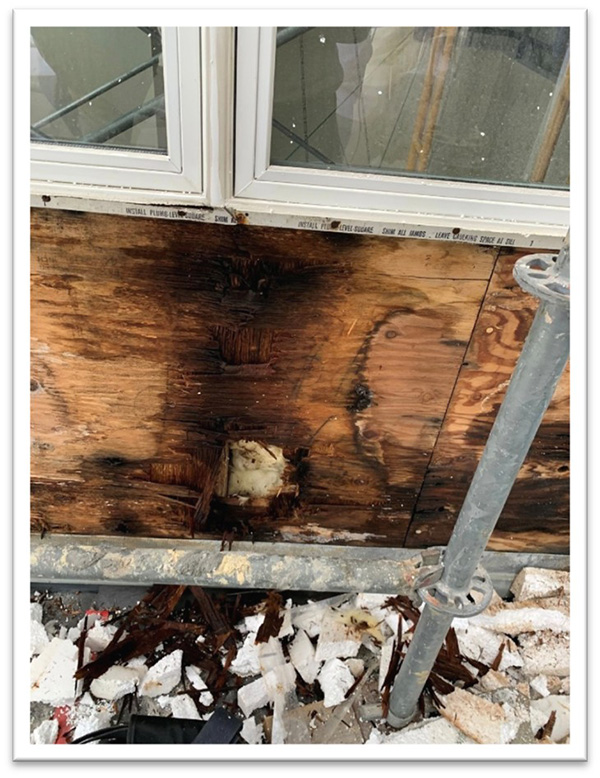
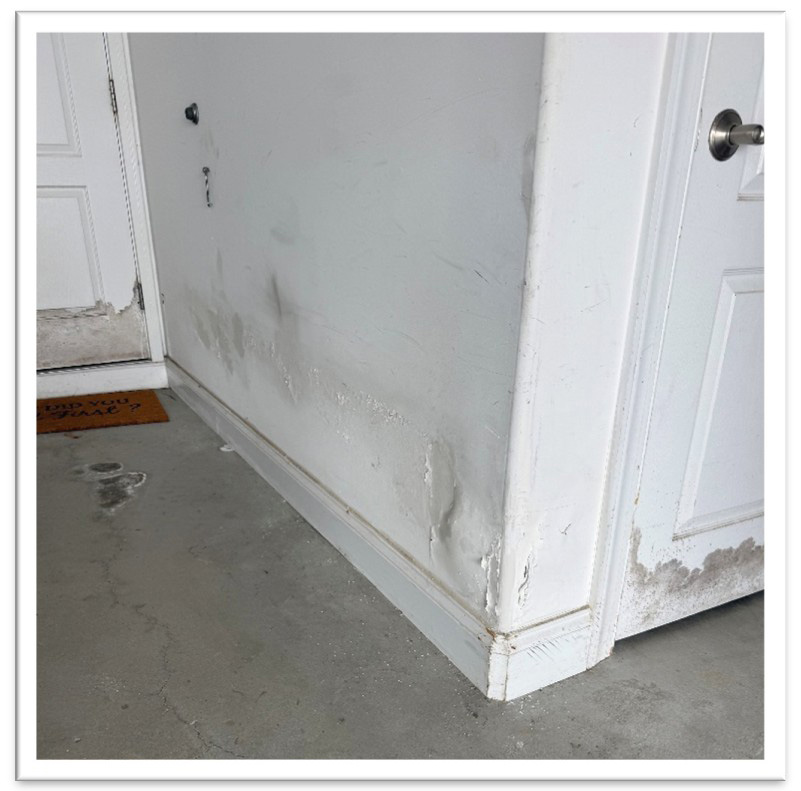
Humidity levels along the coast frequently exceed 60%, creating conditions which expedites rust as well as degrading nonmetal building materials and creating conditions for adverse health impacts. Moisture threatens the building’s integrity as it expands and contracts with fluctuating moisture levels, leading to warped flooring, swollen doors, cracked paint, and compromised finishes. Once paint or sealant fails, moisture and salt penetrate deeper, accelerating internal rot.
Excess moisture additionally feeds mold, dust mites, and bacteria. Mold spores exist everywhere, but remain dormant until exposed to moisture, Water is the primary “limiting factor” for their growth; once damp, they can colonize materials like wood, drywall, and carpet in as little as 24 to 48 hours. Spores can also infiltrate walls, insulation, and furnishings, degrading indoor air quality which leads to allergies and other health impacts affecting the body from lungs to mental cognition. Dust mites are microscopic arachnids, constantly drawn to water. They cannot “drink” in the traditional sense; they absorb moisture directly from the air through their skin, thriving and multiplying rapidly when humidity is between 70% and 80%. A drop below 50% causes them to dry out and eventually die. Harmful bacterium typically requires much higher water activity levels than mold or mites to flourish, but damp, poorly ventilated areas (such as wet HVAC coils or water-damaged insulation) are ideal, threatening the release of harmful endotoxins into the air.
Wind: A Delivery System for Pollutants and Moisture
Wind carries salt, dust, sand and contaminants directly into the home. Strong coastal winds push salty moisture and sand into gaps, siding joints, and window frames. Once salt is forced into a gap, its hygroscopic nature (water-attracting) keeps the gap damp even on sunny days, leading to rot and structural decay that can’t be seen from the outside.
During intense storms, high-velocity sand can also physically strip the protective oxide layers off aluminum frames and the galvanized coatings of steel fasteners, further compromising the home.
Any breach allows allergens, pollutants, and salt particles to circulate within the home. While gentle breezes aid ventilation, the wrong type of airflow can degrade indoor air quality and consequently structural materials and occupant health.
A Preventative Approach
Traditional home maintenance falls short in coastal environments, particularly for bay and beachfront homes. Waiting for issues to appear (such as visible rust, mold, wood rot, or HVAC failure) leads to expensive repair cycles and structural instability. A preventative strategy transforms the approach from reacting to damage to interrupting it before it begins. Proactive care is not optional at the shore; it is foundational.
If you are in a federally designated flood zone, FEMA’s 50% Rule may apply. If repair costs for a “substantially damaged” home exceed 50% of its market value, local regulations may require the entire structure to be brought up to current flood codes. This often means elevating the home, which can cost hundreds of thousands of dollars.
Using Coastal-Grade Materials: Building a Stronger Defense
To endure harsh marine conditions and hedge against major repairs, shoreline properties must utilize materials specifically engineered for resistance. Recommended coastal-grade components include:
- 316-Grade Stainless Steel: Unlike standard steel, 316-grade contains molybdenum, making it highly resistant to salt pitting and crevice corrosion.
- Composite & Cellular PVC (e.g., Versatex): These materials utilize a closed-cell molecular structure. Because they are non-conductive and non-porous, they block the electrolytic process that causes rot and corrosion.
- Moisture-Resistant Sheathing: Utilizing fiber cement or treated boards prevents the “wicking” of salt-laden moisture into the home’s skeleton.
- Specialized Filtration: High-efficiency systems designed to trap fine salt aerosols and airborne pollutants before they circulate through the living space.
- Coastal-Grade Coatings: Specialized paints and sealants formulated to withstand high UV exposure and constant salt spray without breaking down.
Proactive Maintenance: The Backbone of Preservation
Even the best materials require a strategic maintenance plan to combat the relentless coastal environment.
- Desalination Through Routine Soft Washing: A low-pressure freshwater rinse removes accumulated salt before it can bond to surfaces. Crucially, including AC condenser coils in these washes dramatically slows corrosion and prevents efficiency loss.
- Climate Control with Whole-Home Dehumidification: An HVAC system alone often cannot keep up with coastal vapor drive. Maintaining indoor humidity between 45%–50% protects indoor air quality, halts mold growth, and prevents the warping of interior woodwork.
- Envelope Integrity Checks: Regularly inspecting and sealing cracks or joints blocks wind-driven rain and salt particles from entering the wall cavity, where “blind rot” typically begins.
Bottom Line
A coastal home is in a constant, active exchange with its environment. Salinity, moisture, humidity, and wind shape indoor air quality and influence how quickly materials age or fail. By understanding the science behind these forces and investing in coastal-grade materials, strategic maintenance, and preventative systems, homeowners can protect both their long-term investment and the health of those living within the home.
With the right approach, coastal living can offer the beauty of the shoreline without sacrificing durability, safety, or comfort.
For trusted South Jersey property management services, contact our team.
Our office in Margate City, NJ
David Nicholas Building & Property Maintenance is a full-service building and property maintenance company with more than 25 years of experience protecting, preserving, and caring for properties throughout the South Jersey coastal area. The team can be reached at (609) 823-8228 or email office@dnbm.org.