By Your Trusted Professionals at David Nicholas Building & Property Maintenance
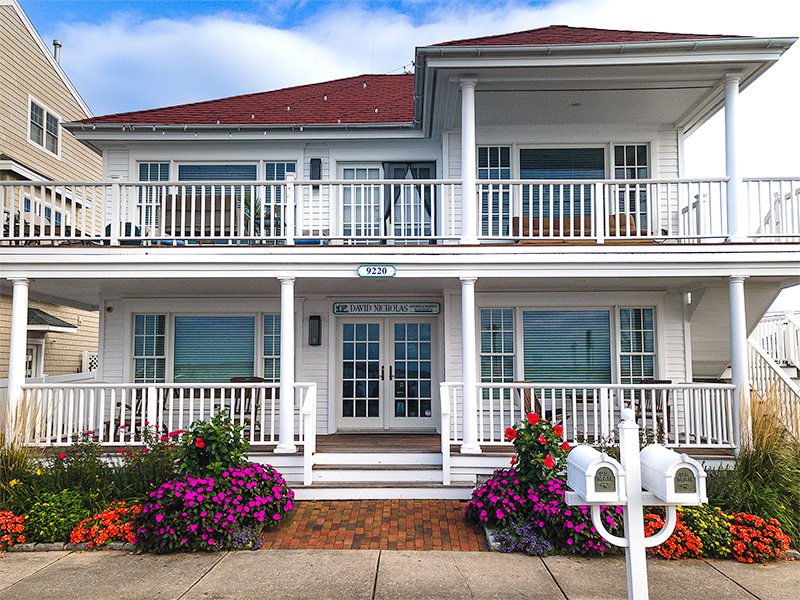
Elevated beach houses—with open crawlspaces beneath their floors—are at even greater risk, as cold winds can freely circulate under the structure, rapidly cooling exposed plumbing.
Roughly 1 in 60 insured homes file a claim for freezing or water damage annually, with average insurance payouts reaching $11,605. A proactive approach to winterization is essential to protect and preserve the safety and aesthetics of property investments.
Understanding the Risk Zones
- Crawlspaces and perimeter runs: Exposed piping beneath elevated homes loses heat fast when wind accelerates convective cooling.
- Outdoor fixtures: Showers, hose spigots, and fish-cleaning stations often have long, poorly insulated lines.
- Lightly heated interiors: Even interior plumbing located inside cabinets can be affected in lightly heated homes maintained around 60°F during the winter. If you keep the thermostat low while away, cold corners and cabinets can still drop below 32°F.
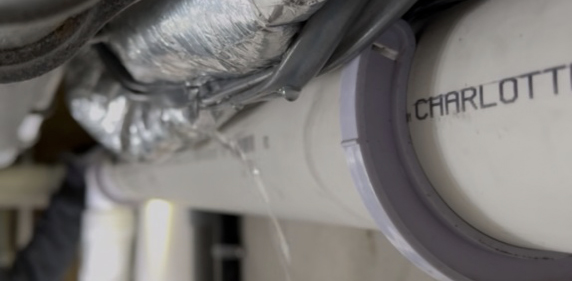
Commonly Overlooked Winterization Need
Core Freeze-Prevention Protocols
- Set and verify heat holds: Keep the home at 60-65°F, and use smart thermostats with low-temp alerts. Program push notifications to your phone and your property manager. Some alarm systems are now equipped with a low-temperature sensor for an additional layer of security.
- Insulate and heat-trace critical piping: Closed-cell foam plus UL-listed heat cable on vulnerable runs (especially in crawlspaces and along exterior walls).
- Seal the envelope below: Weatherstrip crawlspace access doors, repair lattice breaks, and block direct wind paths to piping.
- Protect the water main: Know your main shut-off and verify it fully closes; replace failing valves proactively. Be sure to run the water if the home is not occupied and let all water fully drain from the systems after shut-off to avoid bursting pipes.
- Open cabinet doors on cold snaps: Allow warm air to circulate around kitchen and bath plumbing on exterior walls.
- Check self-closing foundation vents: Assess for potential need for replacement or repair.
Understanding Shut‑Off Valve Configuration between Domestic vs. Boiler Systems
A functional main shut‑off valve is essential for rapid response during plumbing emergencies. Equally important is a second shut‑off valve that isolates the domestic water system from the boiler or hydronic heating loop. Proper separation allows domestic water to be shut off without losing system pressure in the heating loop, simplifies repairs, and protects boiler components from unnecessary exposure.
Generator Readiness
Coastal outages happen. An automatic standby generator sized for heat, well pump (if applicable), and key lighting keeps temperatures stable and prevents freeze events. Test monthly and service annually.
Essential Winter‑Readiness Checklist
- Label all shut‑off valves
- Wrap hose bibs and remove hoses
- Verify crawlspace integrity, including self‑closing foundation vents
- Test low‑temperature alert systems annually
Bottom Line:
Winter protection for coastal homes requires layered preparation: temperature management, insulation, structural sealing, and mechanical system separation. Proper maintenance of foundation vents and crawlspace components reduces cold‑air infiltration, while separate shut‑offs for domestic and boiler systems increase emergency readiness. Winterizing outdoor fixtures—plumbing and lighting alike—further strengthens the home against seasonal hazards.
Shore house owners who fail to properly winterize typically pay between $500 and $3,000 for preventable repairs. While minor proactive tasks often cost under $200, neglecting them can increase final bills by up to 600%. A preventative approach to winterization is a priority for any coastal property owner looking to maximize the security of their investments.
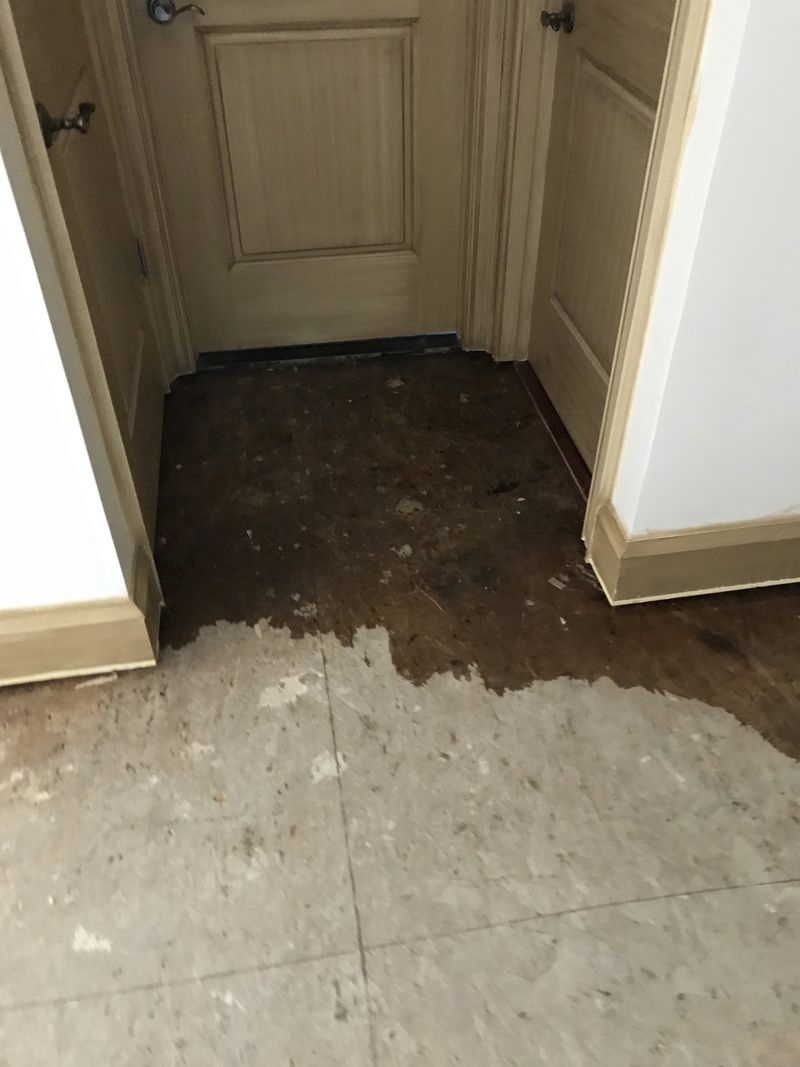
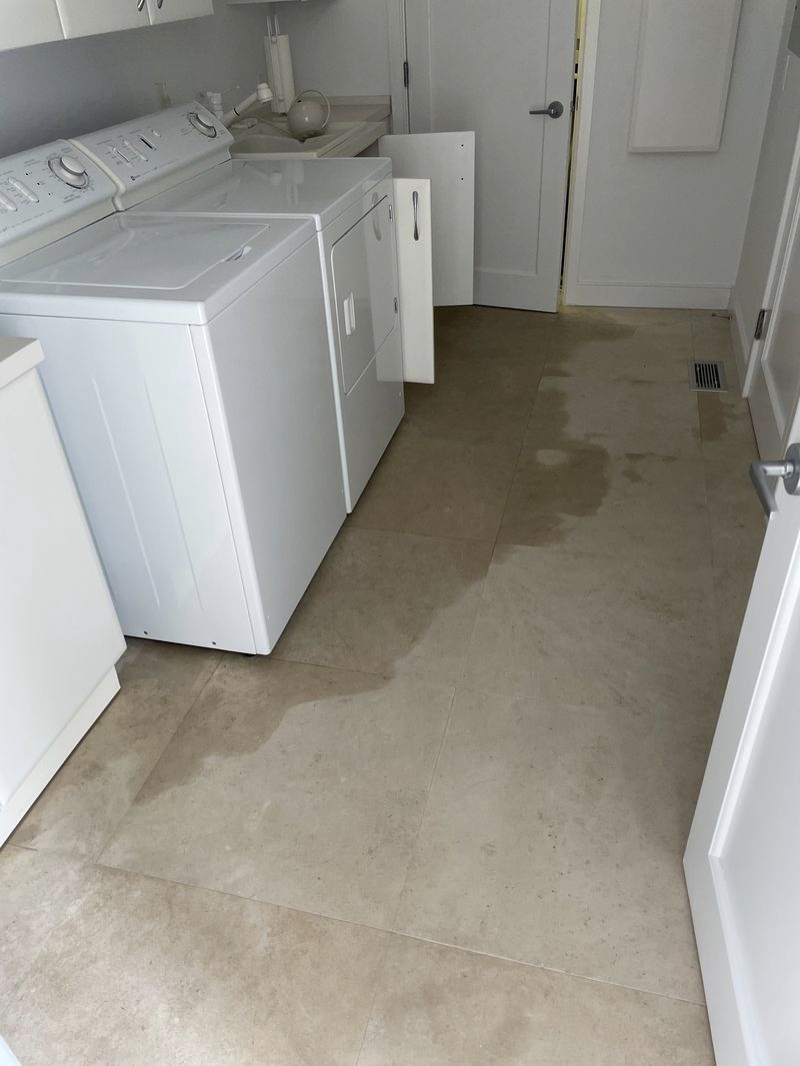
Even with thorough preparation, extended deep-freeze events often expose hidden vulnerabilities. Pipes, fittings, and fixtures can fail despite best efforts, particularly in vacant homes. In these conditions, the most effective form of damage mitigation is timely detection. Identifying a failure early, before water runs unchecked for days or weeks, can mean the difference between a minor repair and widespread structural damage. Ongoing observation and prompt response are critical components of protecting coastal homes during severe winter weather.
For trusted South Jersey property management services, contact our team.
Our office in Margate City, NJ
| office@dnbm.org | (609) 823-8228 |
About DNBM
David Nicholas Building & Property Maintenance is a full-service building and property maintenance company with more than 25 years of experience protecting, preserving, and caring for properties throughout the South Jersey coastal area. The team can be reached at (609) 823-8228 or email office@dnbm.com.